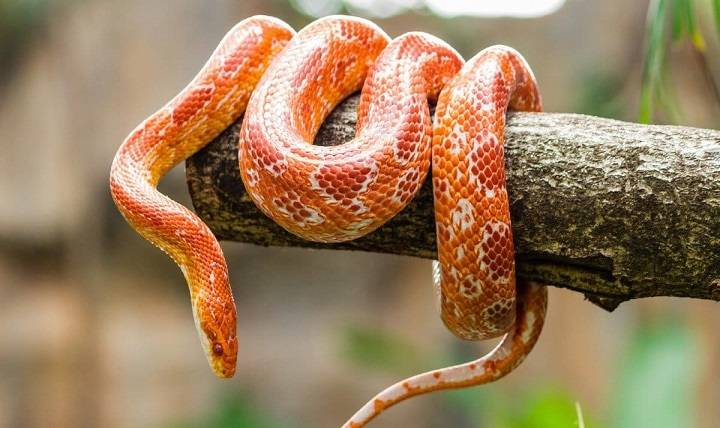

Many people choose snakes as pets because of their exotic and unique appeal. However, potential pet owners often ask whether having a pet snake is dangerous. While some snakes are docile and make great pets, others can be dangerous and require advanced skills and experience to handle. This article will explore the potential dangers of raising pet snakes and the precautions to take when handling them.
Types of Pet Snakes
There are numerous species of snakes available as pets, with varying temperaments and requirements. Some of the most popular pet snake species include:
- Ball Pythons
- Corn Snakes
- King Snakes
- Milk Snakes
- Boa Constrictors
- Garter Snakes
- Rosy Boas
Potential Dangers of Raising Pet Snakes
While snakes can make great pets, they can pose a risk if not handled correctly. Some of the potential dangers of raising pet snakes include:
Bites
Snakes can bite if they feel threatened or are handled improperly. Venomous snakes can cause serious injury or death.
Disease
Some species of snakes carry diseases that can be transmitted to humans, such as Salmonella.
Escapes
Snakes are notorious escape artists and can easily slither out of their enclosures. Escaped snakes can be dangerous to both humans and other animals.
Feeding
Feeding live prey to snakes can be dangerous for both the snake and the owner. Live prey can fight back and cause injury to the snake, while the snake can accidentally bite the owner during feeding.
Precautions to Take When Handling Pet Snakes
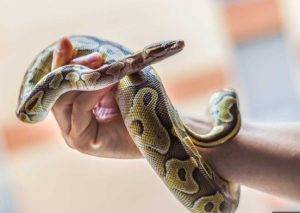
To ensure the safety of both the snake and the owner, it is essential to take certain precautions when handling pet snakes. These include:
Proper Enclosure
Snakes should be housed in an enclosure that is secure and escape-proof. The enclosure should be large enough for the snake to move around comfortably.
Handling Techniques
Snakes should be handled with care and respect. Proper handling techniques include supporting the snake’s weight and avoiding sudden movements.
Feeding Precautions
Snakes should be fed pre-killed prey to avoid the risk of injury to both the snake and the owner.
Hygiene
Snake owners should practice good hygiene and wash their hands thoroughly after handling their pet.
Medical Attention
If bitten by a snake, seek medical attention immediately, especially if the snake is venomous.
Conclusion
While snakes can make fascinating pets, it is essential to understand the potential risks and precautions to take when handling them. Ensuring the snake’s enclosure is secure, handling them carefully, feeding them safely, practicing good hygiene, and seeking medical attention if necessary, are all important steps in ensuring both the snake’s and the owner’s safety. Pet snakes can be a wonderful addition to a household, but it is essential to consider the responsibilities that come with caring for these unique animals.