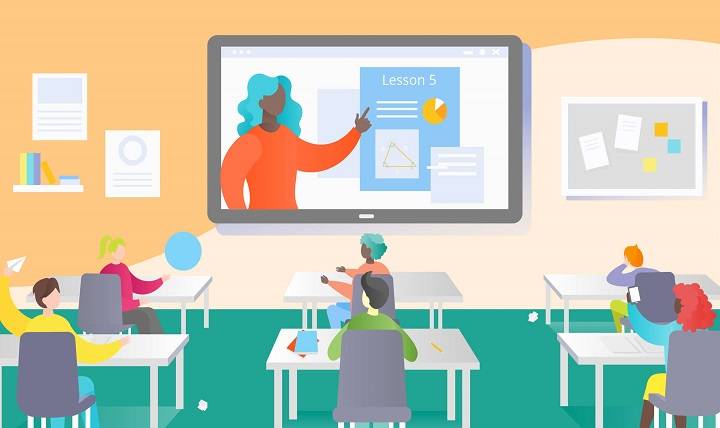

The world is evolving rapidly, and technology is taking over every sector, including education. The use of technology in education has been increasing in recent years, and it has both benefits and drawbacks. In this article, we will explore the implementation of new technology in education and its benefits and drawbacks.
Benefits of Technology in Education

Interactive Learning
New technologies such as virtual reality, gamification, and augmented reality have revolutionized the way students learn. With interactive learning, students can grasp concepts easily, and teachers can easily assess the understanding of the students.
Personalized Learning
Technology has enabled the creation of personalized learning environments where students can learn at their own pace. Learning platforms such as Khan Academy and Coursera allow students to access a vast array of resources that cater to their individual learning needs.
Access to Information
The internet has made information readily available to anyone, anywhere in the world. Students can access a wide range of resources online, including textbooks, research papers, and videos. This access to information enables students to learn beyond what is covered in class and enhances their knowledge and understanding of various topics.
Collaboration
Technology has enabled students to collaborate easily on group projects and assignments. Learning management systems such as Google Classroom and Blackboard allow students to share documents, communicate with each other, and work together on projects.
Improved Assessment
Technology has made it possible for teachers to assess their students’ performance more accurately and efficiently. Online assessments and grading systems have made it easier for teachers to grade assignments and provide feedback to their students in real-time.
Drawbacks of Technology in Education

Cost
The implementation of new technology in education can be costly. Not all schools and universities can afford the latest technology, and this can result in a lack of access for some students.
Overreliance on Technology
Overreliance on technology can hinder a student’s ability to think critically and solve problems independently. Students may become too reliant on technology and not develop essential skills such as problem-solving and critical thinking.
Cybersecurity Risks
The use of technology in education can put student data at risk. Cybersecurity threats such as hacking and data breaches can compromise student information, and this can have severe consequences.
Distraction
Technology can be a significant distraction in the classroom. Students may become distracted by their smartphones or other devices, and this can result in a lack of engagement and reduced learning.
Technical Issues
Technical issues such as system crashes and slow internet connectivity can disrupt the learning process. This can result in frustration for both teachers and students and can negatively impact the learning experience.
Final Thoughts
The implementation of new technology in education has both benefits and drawbacks. While technology can enhance the learning experience, it can also be a significant distraction and lead to overreliance. It is important to strike a balance between using technology and traditional methods of learning to ensure that students receive a well-rounded education. Schools and universities should carefully consider the benefits and drawbacks of technology before implementing new technology in the classroom. With careful planning and implementation, technology can enhance the learning experience and prepare students for success in the 21st century.