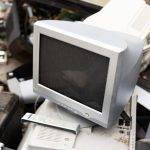
In our rapidly evolving technological landscape, it has become second nature to upgrade our gadgets frequently. With each innovation—smartphones, laptops, tablets, televisions, and more—consumers are drawn to the faster speeds, better resolution, and sleeker designs. However, this surge in new devices also contributes to a growing pile of discarded electronics, commonly known as e-waste. When we choose not to recycle these devices responsibly, the consequences for the environment—and ultimately for human health—are far-reaching. Below, we explore the most pressing ecological concerns tied to improperly managed electronic waste.
Toxic Substances and Hazardous Materials
Many electronics are made using materials that can harm the environment if they are allowed to degrade in landfills. Substances such as lead, mercury, cadmium, and brominated flame retardants are commonly found in the circuitry and batteries of electronic devices. Over time, these toxic components can leach from deteriorating gadgets, seep into the soil, and contaminate groundwater sources. This contamination not only affects local ecosystems—disrupting plant life and endangering wildlife—but also poses significant health risks to communities that rely on nearby water supplies for drinking and irrigation.
Furthermore, the production of electronics demands the use of rare metals like cobalt, palladium, and gold, which are mined in resource-intensive processes that carry their own environmental toll. When these precious resources end up in landfills rather than being reclaimed through recycling, the global demand for mining only increases, compounding the environmental damage caused by extracting finite metals.
Greenhouse Gas Emissions and Climate Impacts
Electronics that are not recycled can contribute to higher greenhouse gas emissions in multiple ways. First, when devices sit idle in landfills, some components break down and release harmful gases. Certain plastics, for example, can produce methane as they degrade under anaerobic conditions. Moreover, the absence of recycling forces manufacturers to source new materials for the production of fresh devices. From raw mineral extraction to energy-hungry smelting processes, obtaining the metals and other components for new electronics is a carbon-intensive practice.
On the other hand, reusing and recycling materials significantly reduces the need for additional mining and resource processing, cutting back on energy consumption and the associated emissions. By properly recycling old devices, consumers play a part in decreasing the total carbon footprint associated with electronic products.
Loss of Valuable Resources
Because electronic devices contain valuable metals and other reusable materials, throwing them away is essentially discarding a substantial source of reusable resources. Copper, aluminum, plastics, and various alloys can be repurposed, reducing dependence on virgin resources and the environmental burdens of mining and refining. When electronics are sent to landfills, these recoverable materials go to waste. Responsible recycling channels ensure that these materials re-enter the manufacturing supply chain, ultimately decreasing the depletion of nonrenewable natural resources.
Pollution in Developing Nations
In many cases, discarded electronics that are not properly recycled domestically can end up overseas. Some regions with lax environmental regulations or inadequate recycling infrastructure become dumping grounds for imported e-waste. Open-air burning of old circuit boards or the use of acid baths to extract valuable metals are common practices in these makeshift dumping sites. The toxic fumes from burning plastics pollute the air, and acidic solutions used to strip metals from circuitry contaminate local water sources and soil.
Local communities, often impoverished and lacking protection from these pollutants, face an elevated risk of respiratory issues, skin diseases, and other health problems. The improper handling of e-waste abroad highlights the global scope of the problem and underscores why all nations must work together to develop and enforce better disposal and recycling practices.
Threats to Wildlife and Ecosystems
When hazardous materials leak from electronics into the soil, water, or atmosphere, the resulting pollution does not only affect humans. Wildlife can ingest or absorb these toxins through contaminated water and food sources. Over time, pollutants can accumulate in animal tissue, making their way up the food chain through bioaccumulation. Apex predators, including birds of prey and large mammals, face heightened risks of organ damage and reproductive issues due to the accumulation of heavy metals in their bodies. Even marine life can be impacted when polluted rivers empty into oceans, affecting fish populations and, ultimately, the human communities that rely on them.
The Importance of Responsible Disposal
Despite the myriad challenges posed by e-waste, the solution is relatively straightforward: responsibly recycle electronics through facilities equipped to handle and process these items safely. By doing so, we can extract and reuse valuable metals, prevent toxic chemicals from polluting ecosystems, and reduce the overall carbon impact of producing new devices. For individual consumers, this often means seeking out local drop-off points, government-sponsored collection programs, or reputable recycling organizations that specialize in handling electronic waste.
Moreover, extending the life of devices by donating or reselling usable electronics can help delay their inevitable disposal. Purchasing refurbished gadgets and upgrading existing devices—rather than replacing them outright—are other ways to minimize the environmental footprint. Each step that prevents a device from heading to the landfill helps reduce the strain on our planet.
Conclusion
Failing to recycle electronics responsibly has serious environmental repercussions, including pollution of soil and water, heightened greenhouse gas emissions, loss of valuable resources, and threats to both human and wildlife health. The global nature of e-waste means that improper disposal in one region can have consequences that echo across continents. As technology continues to evolve and proliferate, the importance of ethical, responsible e-waste management will only grow. Recognizing and acting upon this issue today can pave the way for a healthier planet and a more sustainable technological future for generations to come.